Daily Supplements for Men Over 40: What You Need for Health and Vitality
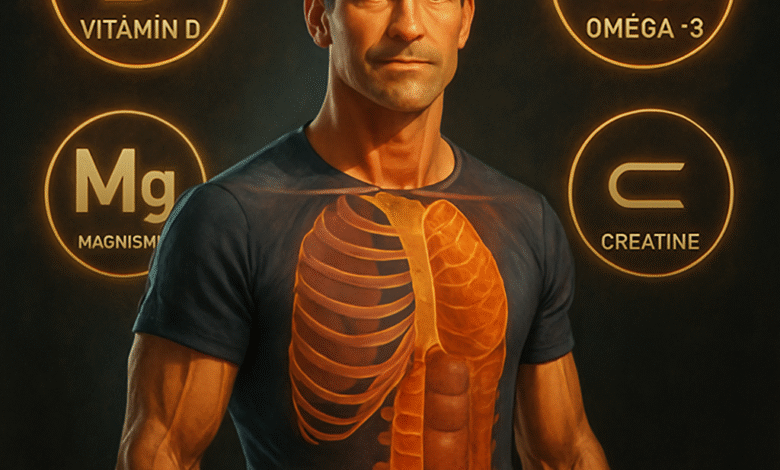
Ever notice how things just don’t bounce back the way they used to once you hit your 40s? Maybe it’s your energy dipping before noon, or that frustrating pause between lifts at the gym that feels longer than it should. You’re not imagining it. Midlife shifts sneak up on you, and suddenly, the daily tasks that felt like second nature start to demand more attention—and more fuel.
So, what can really make a difference as you navigate this phase? It’s worth asking because your body’s needs aren’t the same as they were in your 20s or 30s. That’s where daily supplements for men over 40 come into play—not as magic bullets, but as practical tools to fill nutritional gaps, support hormone balance, and keep your strength and vitality on track.
Now, I’m not saying you need to start swallowing every pill on the shelf. But the truth is, diet alone often can’t cover everything your active, midlife body craves. Whether it’s vitamin D to support bone health, omega-3 fatty acids for brain and heart function, or specific blends designed to help boost testosterone naturally, the right daily supplements become a quiet yet steady ally.
Think about it this way: if you’re running a car that’s clocked 100,000 miles, you wouldn’t just keep filling it with regular gas—you’d use premium fuel and perform maintenance tailored to its age and mileage. Your body’s no different. Getting the right nutrients daily helps maintain that engine, so you keep feeling like you’re climbing your second summit, not walking downhill.
That’s why taking a close look at your supplement routine isn’t just smart—it’s essential. Let’s walk through what really works, why it matters now more than ever, and how you can keep your health moving in the right direction without it feeling like a second job.
For a deeper dive into managing your energy, strength, and longevity as a man over 40, you might find The Men’s Health Over 40 Ultimate Guide to Energy, Strength … a solid next step.
By the way, while this guide focuses on health, if you ever want a break, check out this cool playlist of iconic R&B songs from the 2000s—trust me, the vibe’s perfect for resetting your mind and elevating your day.
Ready to dig in? Let’s dive into how daily supplements can become a practical part of your midlife toolkit.
TL;DR
Feeling drained or off your game after 40? Daily supplements for men over 40 aren’t about quick fixes—they’re about filling in nutritional gaps that diet alone often misses. Think vitamin D, omega-3s, and targeted blends to support energy, hormone balance, and muscle recovery.
Start small, keep it consistent, and watch your second act gain real momentum.
Why Daily Supplements Matter After 40: The Science Behind Midlife Nutritional Needs
Ever catch yourself wondering why that afternoon slump hits harder than it used to? Or why your joints creak a bit more when you’re up and moving around? You’re not alone, and honestly, it’s not just ‘getting older.’ It’s actually your body’s shifting nutritional needs setting the stage for those changes.
Think about it — after 40, your metabolism slows down, muscle mass gradually declines, and your body’s ability to absorb certain nutrients starts to dip. This isn’t some doom-and-gloom scenario, but it is a wake-up call. The science behind daily supplements for men over 40 isn’t about taking pills for the sake of it, but about filling in the nutritional gaps your diet might not cover anymore.
Here’s what’s going on under the hood. Research shows that as men hit midlife, levels of critical nutrients like vitamin D, B12, magnesium, and omega-3 fatty acids often drop. And these little deficits add up. Low vitamin D can weaken bones and muscle strength. Omega-3s are crucial for heart and brain health — and brain fog can feel all too familiar around this age. The funny thing? Even if your diet looks decent, absorption changes mean you might not be getting enough from food alone.
If you’re thinking this sounds complicated, trust me, it feels that way. But the good news is simple: targeted supplements can act as insurance, making sure your body has the tools it needs to stay sharp, strong, and energized.
Muscle, Metabolism, and Hormones: What Supplements Can Do
One of the no-brainers is magnesium. This mineral supports everything from muscle contraction to energy production. It’s common for men over 40 to have magnesium levels dip without realizing. That stiffness you notice after a workout? Could be linked. And don’t forget creatine — yes, that workout favorite — which has been shown to help men over 40 maintain muscle mass and strength, supporting energy and recovery.(Learn more about how creatine can support strength and vitality). It’s not just for the young gym rats anymore; in midlife, it can be a game-changer.
Hormonal changes, especially declining testosterone, play a big role as well. While supplements won’t magically boost testosterone on their own, certain nutrients like zinc, vitamin D, and herbal blends have shown promise in supporting healthy hormone balance. It’s about creating an environment your body can thrive in, not chasing quick fixes.
Brain and Heart Health: Why Omega-3s and Antioxidants Matter More Now
Here’s a story: A guy in his mid-40s started forgetting words during meetings. Simple stuff. Turns out, omega-3 deficiency was part of the culprit. These fatty acids are the building blocks of brain cell membranes and play a huge role in cognitive function. Add in antioxidants like vitamin C and E, which help fight the wear and tear from oxidative stress, and you’ve got a potent combo to help keep your mental game sharp.
Heart health, often overlooked until something goes wrong, can be proactively supported by these same nutrients. Omega-3 fatty acids help reduce inflammation and support healthy cholesterol levels, which is critical as men age. Studies show men over 40 who maintain good omega-3 levels tend to have lower risks of heart disease.(Heart Association on omega-3 benefits)
How To Start Smart With Daily Supplements
Now, before you grab the biggest bottle at the store, here’s what you want to do:
- Check in with your doctor: Blood tests can reveal where you’re low, making your supplement choices smarter, not shotgun.
- Focus on quality: Not all supplements are created equal. Look for trusted brands with clear ingredient lists and third-party testing.
- Start with essentials: Vitamin D, magnesium, omega-3, and a good multivitamin tailored for men over 40 are a solid foundation.
- Tailor to your goals: If muscle and recovery are priorities, adding creatine makes sense. For energy and hormone balance, consider zinc and vitamin B12.
Remember, supplements are just one part of a bigger picture. Combine them with whole-food nutrition, movement, and good sleep, and you’re setting yourself up for sustained midlife vitality.
If you want a deeper look at how supplements fit into a broader health plan after 40, you might find this Men’s Health Over 40 Ultimate Guide incredibly helpful. It digs into energy, strength, and longevity strategies that match your stage in life.
So yeah, daily supplements matter — not because you’re broken, but because your body’s running a different route now. Choose wisely, start simply, and give your second act the fuel it deserves.

Top Supplements to Support Testosterone and Hormonal Balance for Men Over 40
Let’s be real for a second: as you hit your 40s, you might have noticed things aren’t quite like they used to be. Energy dips, that stubborn fatigue, mood swings, and yeah—sometimes that engine under the hood feels a little less revved up. If you’ve been wondering how supplements can help keep your testosterone and hormones in check, you’re in the right spot.
Here’s the deal: testosterone naturally declines about 1% to 2% each year after 30. So by midlife, that adds up. But instead of freaking out, think of this phase as tuning your system—giving your body the tools it needs to keep firing strong.
1. Zinc: The Unsung Hero of Testosterone Production
Zinc is tricky because it’s easy to overlook, yet it plays a vital role in testosterone synthesis. If you’re running low, your body struggles to produce enough testosterone. Guys with zinc deficiencies often report feeling foggy, less energetic, or noticing a dip in libido.
Real talk: A man in his late 40s I coach told me he’d stopped caring about his workouts and, honestly, wasn’t feeling like himself. We got him on a zinc supplement—just 30 mg a day—and paired it with dietary sources like oysters and pumpkin seeds. Within weeks, he saw a small but meaningful bump in energy and motivation. Nothing crazy—just the nudge his tired system needed.
One caution: too much zinc can backfire. More isn’t always better, so stay inside recommended doses and check with your doc if you’re unsure.
2. Vitamin D: The Sunshine Hormone That Fuels Testosterone
Here’s a simple truth: most guys over 40 don’t get enough sunlight, especially if you’re desk-bound or living somewhere with long winters. That’s a problem because vitamin D isn’t just a vitamin—it’s a hormone that directly influences testosterone levels.
In a yearlong study, men who took 3,300 IU of vitamin D daily boosted their testosterone by roughly 20% compared to those who didn’t supplement.
Need some ideas? Think fatty fish like salmon, egg yolks, and fortified foods. But if sun exposure is limited, grabbing a vitamin D3 supplement each day can fill that gap effectively.
3. Magnesium: More Than Just Muscle Recovery
Magnesium quietly supports hundreds of bodily functions, including testosterone production. It’s involved in muscle contraction, energy creation, and nerve function—basically the foundation for feeling strong and alert.
What’s fascinating: a study showed both sedentary men AND athletes over 40 had higher testosterone levels after regular magnesium supplementation. So whether you’re hitting the gym or just trying to get through the workday without crashing, magnesium has your back.
Try adding magnesium citrate or glycinate forms before bed; they can also help improve sleep quality, which (surprise!) is crucial for maintaining healthy testosterone.
4. Ashwagandha: Ancient Herb Meets Modern Science
You might have heard of this one—ashwagandha is an Ayurvedic herb long used to reduce stress and boost vitality. Why does stress matter? Because cortisol, the stress hormone, directly suppresses testosterone. When cortisol is up, testosterone takes a hit.
Clinical trials have found that men taking ashwagandha experienced significant increases in testosterone and better overall vitality. One real-world tip: look for supplements that specify “KSM-66” or “Sensoril” extracts, which are studied forms known to deliver these benefits.
It’s like a two-for-one deal—calm your stress, support your hormones, and maybe even get better sleep.
5. D-Aspartic Acid: The Mixed Bag You Should Know About
D-Aspartic acid (DAA) gets tossed around a lot as a natural testosterone booster. Some studies suggest it ramps up hormones that encourage testosterone production, but others show inconsistent or even negative effects at higher doses.
What does that mean for you? Maybe try DAA cautiously if you’re curious, but don’t count on it being a silver bullet—it’s not universally effective. Stick to moderate doses and monitor how you feel.
6. DHEA: The Precursor Hormone
DHEA is made by your adrenal glands and acts as a precursor to both testosterone and estrogen. Levels drop as you age, which makes it a tempting supplement to consider. Some trials report increased testosterone with DHEA supplementation, but results on improving energy, libido, or muscle are mixed.
Because it’s a hormone precursor, chat with your healthcare provider before starting DHEA to avoid unintended hormonal imbalances or interactions with medications.
Putting It All Together: A Balanced Approach
One thing I want to stress: don’t just grab every supplement you see promising a testosterone boost. Instead, think about your daily routine and goals. Start with zinc, vitamin D, and magnesium as foundational pillars—they cover basic needs and will likely benefit your overall health beyond hormones.
If stress or fatigue is a major issue, add ashwagandha. Want to experiment with DHEA or DAA? Get professional advice and track your progress carefully.
And, by the way, none of these work well if sleep is all over the place or your diet’s poor. Supplements aren’t magic; they’re part of a bigger plan that includes good nutrition, movement, and rest.
Wondering about specifics? Here’s a quick comparison of key testosterone-support supplements and how to use them:
| Supplement | Key Benefit | Recommended Dosage | Notes |
|---|---|---|---|
| Zinc | Supports testosterone production and immune health | 15–30 mg daily | Watch for excess; use food sources too (oysters, nuts) |
| Vitamin D | Hormone regulation and testosterone enhancement | 2,000–4,000 IU daily | Best paired with sunlight exposure for absorption |
| Magnesium | Muscle recovery, energy, aids testosterone levels | 200–400 mg daily (prefer magnesium citrate/glycinate) | Take in evening to improve sleep |
| Ashwagandha | Reduces stress, may increase testosterone indirectly | 300–600 mg of extract (KSM-66 or Sensoril) daily | Look for standardized extracts for consistency |
| D-Aspartic Acid | Stimulates hormone release; mixed evidence on testosterone | 1.5–3 grams daily | Use cautiously; some higher doses may lower testosterone |
| DHEA | Precursor hormone to testosterone and estrogen | 25–50 mg daily | Consult doctor before starting; hormonal monitoring advised |
To wrap up, these supplements won’t work miracles, but they’re solid tools in your toolbox. They can help shore up what your diet and lifestyle might be missing and support your body’s natural hormone production as you navigate midlife.
Curious about more ways to optimize your health over 40? This guide to boosting testosterone naturally digs deeper into smart lifestyle and supplement strategies tailored for men who want to stay sharp and strong through their second act.
Getting the right supplements is just one chapter in your midlife health story. Combine them with consistent sleep, stress management, and movement to keep that hormonal balance humming along.
So, what’s your first step? Maybe grab a zinc-rich snack today, step outside for a quick sun break, or set a reminder to take your magnesium before bed. Little changes go a long way.
Here’s to feeling like yourself again—in a better, wiser, stronger version.
Supplements to Boost Energy, Mental Clarity, and Stress Resilience in Midlife Men
If you’re anything like me, hitting midlife comes with a surprising side effect: your get-up-and-go sometimes feels more like get-up-and-slow. That foggy brain, that sudden afternoon crash—it’s no joke. And honestly, it’s frustrating when you’re juggling work deadlines, family demands, and trying not to feel wiped out by dinner.
But here’s the thing: your brain and energy systems need some serious support after 40. Luckily, certain daily supplements can make a noticeable difference, waking your mental clarity and bolstering your ability to handle stress like a champ.
1. Omega-3 Fatty Acids – Fuel for Your Brain and Mood
You know those times when your brain just won’t cooperate? Maybe it’s scatterbrained or slow to process, especially under stress. Omega-3s—particularly EPA and DHA—are essential fats that help keep your brain sharp and mood stable.
Research confirms omega-3s support cognitive function and reduce symptoms tied to stress and depression. One study showed that older adults who supplemented with 1 gram of EPA/DHA daily reported better memory and focus after just a few months. It’s like giving your brain its preferred fuel instead of junk food.
Eat fatty fish like salmon a couple of times a week if you can, or try a high-quality fish oil supplement standardized for EPA and DHA. Just make sure it’s third-party tested for purity—you don’t want any heavy metals sneaking in.
2. Rhodiola Rosea – The Adaptogen That Lets You Bounce Back
Stress resilience isn’t just about dodging stress—it’s about how fast you recover when life throws punches. Rhodiola Rosea is an adaptogenic herb known to reduce fatigue and improve mental performance under stress. Imagine it as your body’s coach for staying calm and focused when the pressure’s on.
A double-blind trial showed that people taking Rhodiola experienced less burnout and more endurance during stressful mental tasks. So skipping it means missing out on a tool that could keep your energy steady throughout hectic days.
Look for standardized extracts (usually 3% rosavins and 1% salidroside). Typical doses range from 200 to 600 mg daily. Start low and see how your body reacts.
3. B Vitamins – The Unsung Heroes of Energy Production
Ever feel drained even after a full night’s sleep? Deficiencies in B vitamins like B6, B12, and folate can cause that exact fatigue and brain fog.
B vitamins play crucial roles in brain metabolism and nerve function. A deficiency can make you feel sluggish, forgetful, or frankly, just out of sorts. For instance, one clinical trial found significant improvement in energy and mood in adults supplementing with a comprehensive B-complex vitamin.
The easiest route is a good B-complex supplement or a multivitamin targeting men over 40. Bonus points if it includes methylated forms like methylcobalamin (B12) for better absorption.
4. L-Theanine – Anxiety’s Natural Counterpart
You get those days where your mind is racing, and you just can’t settle down no matter what. Here’s a little secret: L-Theanine, an amino acid found in green tea, helps promote relaxation without making you drowsy.
Studies show it can reduce cortisol—a key stress hormone—and improve focus and mental clarity, especially when paired with caffeine. It’s like a calm co-pilot for your brain, smoothing out the jitters and helping you think clearer under pressure.
Try 100–200 mg when you need that balance. It’s perfect for busy guys in meetings, long drives, or those evenings when stress tries to hijack your sleep.
5. Coenzyme Q10 (CoQ10) – The Cellular Energy Booster
Think of CoQ10 as the spark plug inside your cells, helping convert food into usable energy. As you age, your natural CoQ10 levels decline, making fatigue more common.
Supplementing with CoQ10 has been shown to improve energy metabolism and reduce feelings of tiredness, especially in people over 40. Plus, it’s good for heart health—a win-win when midlife means taking care of your ticker.
Common doses range between 100–200 mg daily. Look for ubiquinol form for better absorption if you want to maximize benefits.
Feeling overwhelmed by supplements? Start with one or two and give yourself at least a month. Track how you feel: notice if the brain fog lifts, your afternoon slump fades, or stress feels less crushing.
Remember, no supplement replaces sleep, movement, or cutting back on caffeine and sugar, but they can shore up what life wears down as you age.
If you want a full picture of boosting your energy and mental clarity while juggling the unique challenges after 40, check out The Men’s Health Over 40 Ultimate Guide to Energy, Strength, and Longevity. It’s packed with practical tips you can start today.
Here’s a small but powerful idea: tomorrow morning, try pairing your breakfast with a B-complex or omega-3 supplement. See if your afternoon energy keeps steady just a bit longer. Sometimes, the smallest changes become the biggest game changers.
Key Supplements for Joint, Bone, and Cardiovascular Health After 40
Let’s be honest: hitting your 40s isn’t just about counting grey hairs or those awkward creaks in your knees when you stand up. It’s when your joints, bones, and heart start sending subtle but persistent reminders that they need a little extra care. Maybe it’s a twinge in the elbow after a weekend of yard work, or getting winded faster than before during a brisk walk.
That’s why knowing which daily supplements for men over 40 really matter can save you from more serious problems down the line—think less joint pain, stronger bones, and a heart that keeps ticking steady as life throws you curveballs.
1. Glucosamine and Chondroitin – Your Joint’s Best Friends
If you’ve ever reached for something heavy and felt a pinch in your knee, you’re not alone. Glucosamine and chondroitin are natural compounds found in cartilage, and supplementing with them has been popular for managing joint discomfort. Studies show that many men over 40 who supplement with glucosamine sulfate and chondroitin sulfate report reduced joint pain and better mobility over time.
Here’s the deal: these supplements aren’t overnight miracles. But giving them at least 8 weeks can lead to noticeable benefits. Typical doses hover around 1,500 mg daily for glucosamine and 1,200 mg for chondroitin. Bonus tip: combining them with regular low-impact exercise, like swimming or cycling, speeds up the relief.
Ready for a real-world example? Take Mike, 47, who played weekend basketball and struggled with sore knees. After three months on glucosamine-chondroitin, he noticed less stiffness and could keep up with younger teammates without shooting pain.
2. Vitamin D and Calcium – The Dynamic Duo for Bone Health
Bone density starts to decrease as early as your 30s, and by 40+, it’s smart to start being intentional about protecting your skeleton. Vitamin D plays a crucial role here—without enough of it, your body can’t absorb calcium properly, which means bones become fragile.
Experts recommend men over 40 aim for about 1,000 mg of calcium daily, paired with 1,000 to 2,000 IU of vitamin D3. You might already get some from sunlight, but depending on where you live or how often you’re outside, supplementing is often necessary.
Fun fact: one study showed that vitamin D supplementation lowered fall risk in older adults by improving muscle function—not just bones. So it’s a double whammy for preventing fractures and staying steady on your feet.
3. Omega-3 Fatty Acids – Protect Your Heart and Joints
We’ve already touched on omega-3s for brain health. But here’s something you might not know: omega-3 fatty acids also support cardiovascular health and help reduce joint inflammation.
EPA and DHA, two key omega-3s found in fish oil, can lower triglycerides and ease morning stiffness linked to arthritis. The American Heart Association suggests about 1 gram daily for heart health, but people with joint issues may benefit from higher doses around 2-3 grams—though always check with your doctor.
Consider Dave, 52, who started taking omega-3 supplements along with dietary changes. Over six months, his cholesterol improved, and those nagging wrist pains from years of typing got better.
4. Magnesium – The Unsung Mineral for Cardiovascular and Bone Strength
Magnesium quietly supports hundreds of enzymatic reactions in your body, including muscle relaxation and heart rhythm regulation. It also helps activate vitamin D, linking it directly to bone health.
For men over 40, aiming for 320-420 mg of magnesium per day from supplements or foods like leafy greens, nuts, and seeds can keep the system running smooth. Magnesium citrate or glycinate forms tend to absorb better and are easier on digestion.
Plus, if you notice muscle cramps or irregular heartbeats, magnesium might be the missing piece. It’s not flashy but vital.
5. Coenzyme Q10 (CoQ10) – Energize Your Heart Muscle
CoQ10 pops up again here because your heart is a heart, after all—a muscle working overtime. Levels naturally decline with age, and supplementing with 100-200 mg daily can boost mitochondrial function, giving your heart cells more energy to keep up.
Early research links CoQ10 supplementation to improved blood vessel function and blood pressure regulation in middle-aged men—small wins that make a big difference for heart health.
And if you’re on statin medication, CoQ10 becomes even more relevant, since statins can lower natural CoQ10 levels.
What should you do next?
Start simple. Pick one or two of these supplements that fit your lifestyle and talk to your doctor about them—especially if you’re on medications. Set a reminder for daily intake and give them at least 6-8 weeks to see if you feel a change.
And don’t forget to pair supplements with smart movement, like light strength training or walking, plus a diet rich in whole foods. The right combo will help you move easier, feel stronger, and keep your heart ticking happily as you navigate your 40s and beyond.
If you want a deeper dive into how supplements can supercharge your strength and energy over 40, check out The Men’s Health Over 40 Ultimate Guide to Energy, Strength, and Longevity. It’s the kind of resource that turns knowledge into real-life action.
So, why wait? Tomorrow morning, try adding a vitamin D or omega-3 supplement with your breakfast. It’s a tiny habit—with a surprisingly big payoff when it comes to joint, bone, and heart health.

How to Choose Quality Supplements: What Men Over 40 Should Look For
Let’s be honest—you’ve probably stared at shelves full of supplements wondering which ones genuinely deliver and which are just hype. Especially after 40, it feels like your body’s sending subtle SOS signals, and you want to make sure what you pop actually helps, not hurts.
Here’s the thing: dietary supplements aren’t tightly regulated before hitting the market, which means quality varies a ton. So, how do you avoid wasting time, money, and trust on products that don’t live up to their promises? That’s exactly what we’ll unpack here.
Check for Third-Party Testing — Your Trustworthy Signal
Imagine buying something and hoping it contains what it says on the label. That happens too often because manufacturers don’t have to prove safety or ingredient accuracy in advance. But some companies go the extra mile by submitting their supplements for independent testing. Look for seals from organizations like USP (United States Pharmacopeia), NSF International, or Informed-Choice—these verify that a product’s ingredients and dosage match the label and that it’s free of harmful contaminants.
For example, if you’re considering a protein powder or omega-3 capsule, choosing one with NSF certification means you’re getting purity and potency without nasty surprises. Yes, these certifications aren’t super common, but they’re a reliable green light when you find them.
Scan the Label: Ingredients Matter More Than Marketing
Don’t be fooled by flashy ads or miracle claims. Real quality supplements list clear ingredients, doses, and forms. For men over 40, you want doses close to—or at least explaining—the recommended daily values or clinical study levels. That means if a vitamin D supplement claims benefits but offers only 200 IU when many experts suggest 1,000-2,000 IU daily after 40, it might not be worth your time.
Also, watch out for excessively high doses of certain vitamins or minerals. Taking way above the recommended amounts can be harmful rather than helpful. For instance, too much vitamin A or iron can cause problems if not needed. Balanced dosing tailored to your age and health status is key.
Pro tip: In multivitamins, look for active forms like methylfolate instead of folic acid, which your body uses more efficiently, especially as you age.
Consider Your Unique Needs, Not Just What’s Popular
It’s tempting to jump on the latest supplement bandwagon, but it’s smarter to tailor choices to what your body really requires. If you’re active, you might benefit from creatine or protein powders to maintain muscle strength. If you spend a lot of time indoors, a vitamin D supplement with omega-3s makes sense. Or if joint aches nip at your daily routine, glucosamine and chondroitin have solid evidence backing their use over time.
Here’s a quick example: Dan, 45, started taking magnesium glycinate after noticing occasional muscle cramps. Within weeks, his sleep improved, and cramping nearly vanished. This wasn’t some catch-all magic pill—it was targeted support based on what his body told him it needed.
Feel the Benefits Over Time—Be Patient and Observant
Don’t expect miracles overnight. Quality supplements often need 6 to 8 weeks to show noticeable effects. Keep a simple journal noting energy, mood, sleep quality, or aches and pains. This personal check-in helps you assess what truly works and what doesn’t.
And remember: supplements don’t replace a balanced diet or regular movement. Think of them as teammates helping you keep pace with the demands of midlife rather than solo stars.
Final Thoughts: Start Small, Choose Wisely
Ready to make supplements a part of your daily routine? Start with one or two trusted products backed by clear evidence and third-party testing. Speak with your healthcare provider, especially if you’re on medications or have health issues.
Quality matters more than quantity. Picking supplements with verified contents and appropriate dosing can make a real difference in how you feel day to day. For a deeper dive into building strength and staying energized after 40, resources like The Men’s Health Over 40 Ultimate Guide to Energy, Strength, and Longevity offer guidance tailored for men just like you.
For more on what to look for in reliable supplements, check out this Men’s Health analysis on trusted supplements for men and the detailed insights from the National Institutes of Health on vitamin D. These will help you cut through the noise and invest in what truly supports your body after 40.
Integrating Supplements Into Your Routine: Expert Tips for Men in Midlife
So, you’ve decided to add daily supplements for men over 40 into your life. But how do you make them fit seamlessly into your day without feeling like another chore? That’s the tricky part, isn’t it? Especially when life’s already juggling work, family, and those little annoyances that sneak up after 40.
First off, don’t overwhelm yourself. Start with one or two supplements that match your specific needs. If your mornings drag or joints creak, omega-3s or magnesium might be your new best friends. Take it slow. Build consistency first, then expand if you need.
Choose a Routine That Sticks
Think about your daily habits. Are you someone who remembers your morning coffee but forgets afternoon meds? Or do you take a multivitamin right after dinner? Attach supplements to existing routines to make them stick. For example, Dave, a 52-year-old who battles knee stiffness, added his fish oil capsule right after brushing his teeth in the morning. Simple, effective.
Pro tip: Use a pill organizer or set daily reminders on your phone. It sounds basic, but many men find these little nudges keep them on track better than willpower alone.
Timing Matters More Than You Think
Some supplements work best with food, others on an empty stomach. Vitamin D and omega-3s often absorb better with a meal containing fat. Meanwhile, magnesium can be a bedtime ally, helping with sleep and muscle relaxation. Getting the timing right isn’t just about optimization; it can also reduce side effects like stomach upset.
If you start a probiotic, be aware that consistency is key. Daily intake works better than occasional use, as these supplements help nurture gut bacteria over time.
Don’t Mix and Match Without a Plan
Here’s a warning: supplements aren’t candy. Mixing them without understanding interactions or overlaps can cause problems. For example, too much zinc might interfere with copper absorption. And if you’re on medications—statins, blood thinners, or others—some supplements might clash. Always run your supplement plan by your healthcare provider. Being proactive can save you from unexpected complications.
Remember Dan, who noticed muscle cramps easing after adding magnesium? Before that, he tried several supplements simultaneously and made it hard to figure out what worked. One at a time gives your body—and you—a clear signal.
Track Your Progress and Listen to Your Body
It’s tempting to expect immediate results, but supplements often need 6 to 8 weeks to shine. Keep a simple journal or note any changes in energy, mood, joint comfort, or sleep. You’ll start noticing patterns—maybe a vitamin B-complex lifts your afternoon sluggishness or a CoQ10 supplement gives your heart a boost.
And if something doesn’t feel right, be ready to adjust. Maybe the dose needs tweaking or the supplement isn’t right for your body’s chemistry.
Getting advice from qualified sources can make a difference. For example, Wellcome MD’s guide on essential supplements for men offers solid insights tailored to men’s health after 40. Likewise, trusted data from the NIH Office of Dietary Supplements on magnesium clarifies why forms like citrate or glycinate are better absorbed.
At the end of the day, your supplement routine should feel like a small act of care, not a burden. Keep it simple, stay consistent, and lean on quality advice. Your body will thank you.
Conclusion
So, here we are at the finish line. You’ve seen how daily supplements for men over 40 aren’t about chasing quick fixes—they’re about tuning in to your body’s changing needs and giving it exactly what it asks for.
Think about Dan’s story. He didn’t overwhelm himself with a cocktail of pills. He picked what felt right, tracked how he responded, and adjusted along the way. That’s the key—simple, thoughtful, patient.
Remember, supplements aren’t magic bullets. They’re teammates. You still need good sleep, balanced meals, and some kind of movement. But the right supplements, chosen carefully, can fill the gaps and make midlife a little smoother.
So, what’s your move? Maybe start by choosing one well-tested supplement aligned with your specific needs. Give it time—at least six to eight weeks—and keep notes. See how you feel. If it’s not right, tweak it. And don’t hesitate to lean on trusted resources or talk with your healthcare provider. Your body will thank you.
Midlife isn’t about settling or slowing down. It’s about stepping into a second summit, with tools and habits that truly support you. You’ve got this.
Frequently Asked Questions About Daily Supplements for Men Over 40
Let’s be honest; stepping into your 40s brings a lot of questions, especially when it comes to daily supplements. You want to feel sharper, stronger, and just generally better, but where do you even start? And what about safety? That uncertainty is totally normal and exactly why these FAQs matter.
Do I really need daily supplements if I eat a balanced diet?
Great question. If your diet is spot-on—lots of colorful veggies, lean protein, whole grains—you might be getting most of what your body needs. But after 40, your body’s ability to absorb certain nutrients like vitamin B12 and D often dips. Plus, busy schedules, stress, and picky appetites can leave gaps. So supplements can fill those holes, acting like a nutritional safety net. For example, men spending most of their day indoors can benefit from vitamin D supplements, which support bone health and mood.
How long does it take to see benefits from supplements?
Patience is key. You won’t feel a boost the next day. Typically, it takes about six to eight weeks to notice changes in energy, sleep, or joint comfort. Think about it this way: supplements are more like steady coaching than quick wins. Dan, a 45-year-old I know, added magnesium to ease muscle cramps and improve sleep. It took him nearly two months to feel the full effect, but it stuck around.
Can I take multiple supplements at once?
This one’s tricky. The temptation is to grab everything promising vitality, but that can backfire. Some nutrients compete for absorption, like zinc and copper. Others, like vitamin K, can affect medications such as blood thinners. The best rule? Start slow. Add one supplement at a time and track how you feel. And check with your doctor if you’re on any meds—your health maze deserves expert guidance.
What are the most essential supplements for men over 40?
While individual needs vary, some supplements pop up consistently for men in midlife: vitamin D, magnesium, omega-3 fatty acids, and B vitamins. Omega-3s, for example, support heart and brain health, which become top priorities after 40. Again, it’s about matching what your body’s asking for—not chasing trends or the newest “miracle” supplement.
Are there risks to taking daily supplements?
Yes, and that’s why quality and dosing matter. Too much vitamin A or iron can be harmful if you don’t actually need them. It’s a common mistake to think more equals better. In reality, overdoing certain vitamins or minerals can lead to side effects or even long-term damage. Always choose third-party tested brands and stick to recommended doses.
Should I get lab tests before starting supplements?
Getting a baseline through blood work is a smart move, especially if you’re juggling health conditions or medications. Tests can show vitamin D levels, thyroid function, or magnesium status, helping you target supplements more precisely. Think of it as tuning your engine rather than guessing which fuel it needs.
How do I keep track of what’s working?
Keep a simple journal. Note your energy levels, mood, sleep, and any aches. After six weeks, review your notes. Which supplement seems to make a difference? Which doesn’t? This practice helped my friend Mike avoid wasting money and focus on what really supported his midlife stamina.
At the end of the day, supplements aren’t a one-size-fits-all fix. They’re partners you get to know and adjust along the way. You’re the expert on your own body.